Real-World DEI Examples: What Good Practice Looks Like
Diversity, equity, and inclusion (DEI) can sound like big concepts. But in practice, meaningful DEI often comes down to the everyday systems, decisions, and behaviors that shape an employee’s experience.
The most effective organizations move beyond statements of commitment and focus on actions that create greater access, opportunity, and belonging.
So, what does good DEI practice actually look like? Here are a few real-world examples.
1. Creating Clearer Pathways to Leadership
Professional development is available in many workplaces, but access to the right opportunities isn't always equal.
Lenovo offers one example of taking a more intentional approach. The company developed leadership initiatives designed to support employees from underrepresented groups and later added an executive sponsorship program. According to SHRM, Lenovo reported 100% retention and an 80% promotion rate among leaders participating in its executive sponsorship program.
What organizations can learn: Don't assume career advancement happens organically. Examine who has access to high-visibility assignments, development opportunities, mentoring, and sponsorship, and create intentional pathways where gaps exist while respecting your local legal requirements.
2. Giving Employee Resource Groups a Purpose
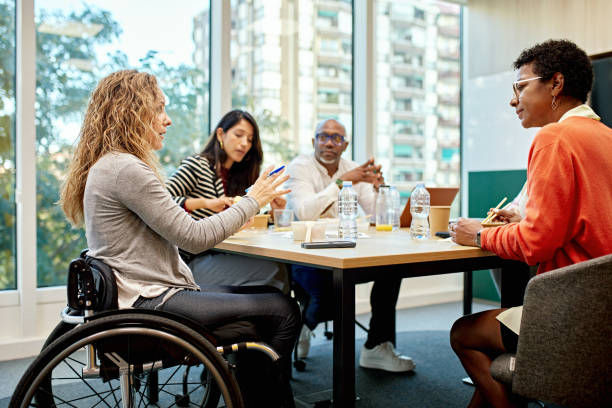
Employee Resource Groups (ERGs) can create valuable spaces for connection, but effective ERGs can do much more than host events.
For example, Deloitte Canada has established employee groups representing a variety of communities, including its AccessAbility Network, Canadian Black Professional Network, Parents Network, Pride Community, and Women’s Impact Network. The organization describes its ERGs as supporting inclusion, networking, education, awareness, and broader business priorities.
Catalyst recommends giving ERGs a clear value proposition and ensuring they provide employees with a voice, positive workplace experiences, and growth opportunities.
What organizations can learn: An ERG shouldn't exist simply so an organization can say it has one. Give groups resources, leadership support, and opportunities to influence the employee experience.
3. Building Equity Into Everyday Processes
Sometimes DEI progress comes from changing a relatively small part of an existing process.
A SHRM report highlights several examples. Salesforce has provided hiring managers with reminders about potential bias before interviews, while NOAA removed a supervisor-endorsement requirement that had been creating a barrier for employees applying to a leadership development program.
These examples demonstrate an important principle: good DEI practice often means examining existing systems and asking where unnecessary barriers may exist.
What organizations can learn: Organizations can apply this thinking to recruiting, interviewing, promotions, performance evaluations, professional development, and succession planning.
4. Listening to Employees and Acting on What You Learn
Employee surveys and listening sessions are useful only when organizations are willing to act on the information they collect.
Listening to employees can help leaders identify differences in workplace experiences that may not be visible through demographic data alone. Do employees believe advancement opportunities are fair? Do they feel comfortable speaking up? Do they feel recognized? Do they believe their perspectives are valued?
Good practice means gathering employee voice data, examining patterns, communicating what was learned, and identifying concrete next steps.
From Good Intentions to Meaningful Action
There isn't one program or initiative that creates an inclusive workplace. Strong DEI practices are built into the way an organization hires, develops, promotes, recognizes, listens, and supports its people.
The examples above also demonstrate that organizations don't necessarily need to launch a massive new initiative to make progress. They can start by examining their existing practices and asking a simple question: Where can we make the employee experience more equitable and inclusive?
At Plan to Action, we help organizations move from good intentions to meaningful action. Through employee voice data, we help organizations better understand their employees’ experiences and identify opportunities to strengthen inclusion and belonging. We also partner with organizations to develop practical strategies and learning experiences, including our RISE to Action program, that equips leaders with skills to turn DEI commitments into everyday workplace practices.
References
SHRM, How to Build and Support a Diverse Leadership Pipeline: Best Practices from DEI Experts at Lenovo and Linkage. December 8, 2023.
Deloitte Canada, Diversity, Equity, Inclusion & Accessibility.
Catalyst, How to Maximize the Potential of Your ERGs. April 18, 2024.


Comments